Building a foundation in Streaming
Company: Circle Media | Role: UX Design Consultant | Platform: OTT, Responsive Web & Mobile | Timeline: 2 months
The Challenge
The project faced critical challenges in the final three months leading up to launch. While a functional user experience had been established, the design system was non-existent, and the codebase lacked the structure necessary to efficiently incorporate new features. The tight timeframe and budget constraints limited access to ongoing user research, forcing reliance on previously conducted studies. This resulted in a risk of inconsistencies and potential usability issues impacting the platform’s overall success. My role was to rapidly identify and address these gaps, ensuring a cohesive and functional user experience within the existing framework, despite the limitations in resources and ongoing research.
My Role & Approach
As a UX Design Consultant, I was brought in to rapidly define missing design elements, ensure UX consistency, and guide the team towards a functional and cohesive platform launch within a compressed timeline.
- Research: Due to limited resources, I leveraged previously conducted UX research and quickly analyzed existing competitive platforms to identify best practices and potential areas for improvement. I focused on understanding audience behavior and identifying critical functionality gaps.
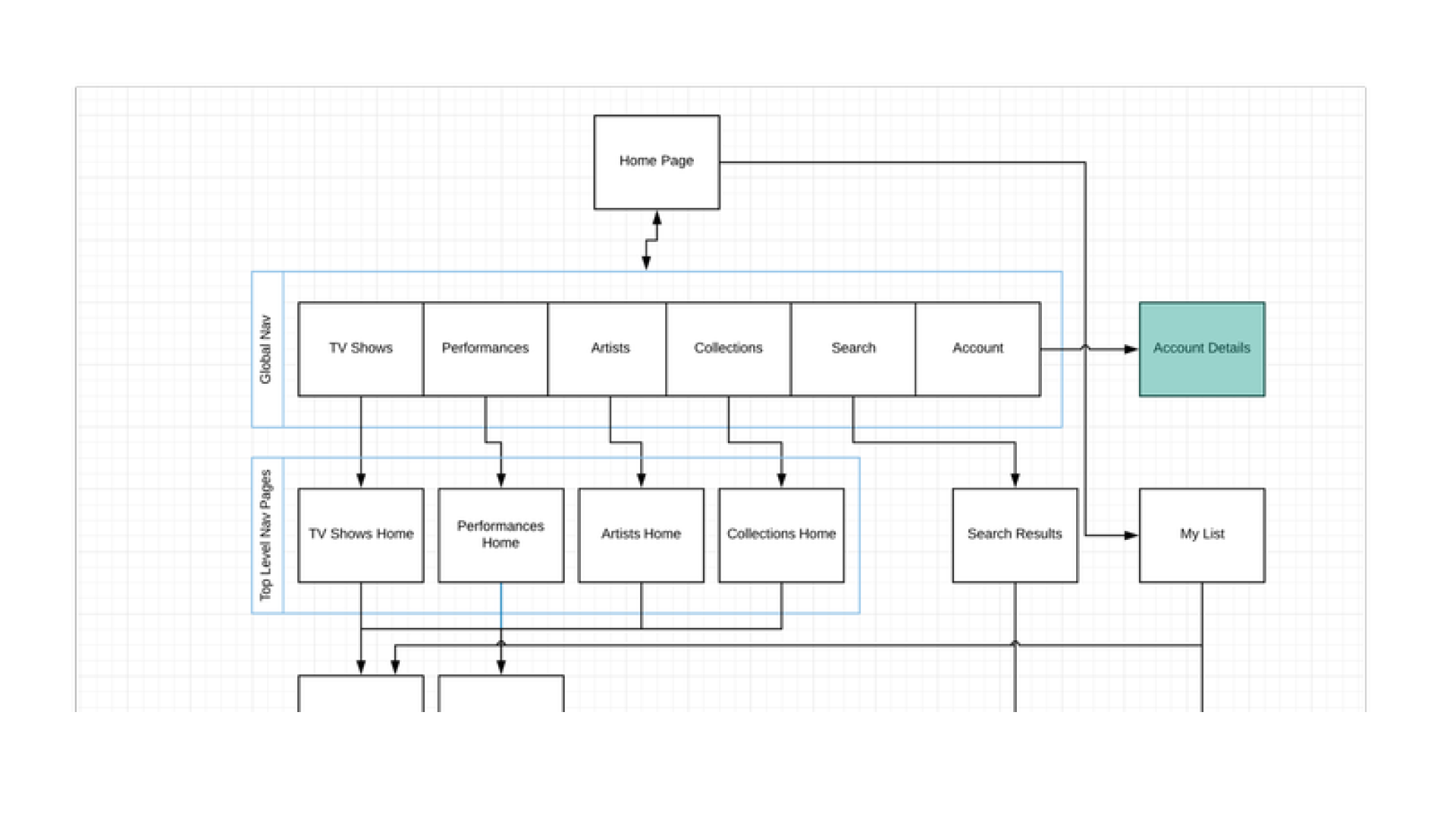
- Experience Mapping: I developed focused user journeys, prioritizing key user flows, to identify and address friction points in content discovery, interaction, and sharing. This involved mapping out missing screens and identifying inconsistencies in the existing user experience.
- Design & Prototyping: I created high-fidelity interactive prototypes that combined video, live updates, and social features, rapidly filling in missing screens and addressing inconsistencies. This iterative prototyping process was essential for validating usability and identifying potential performance issues.
- Iteration & Feedback: I partnered closely with stakeholders and engineers to prioritize fixes, optimize performance within the existing codebase, and ensure responsiveness across devices. This required clear communication and a collaborative approach to navigate technical limitations.
- Accessibility: Recognizing the importance of inclusivity, I ensured the platform was usable with screen readers, high-contrast modes, and keyboard navigation, focusing on core functionalities within the limited timeframe.
The Solution
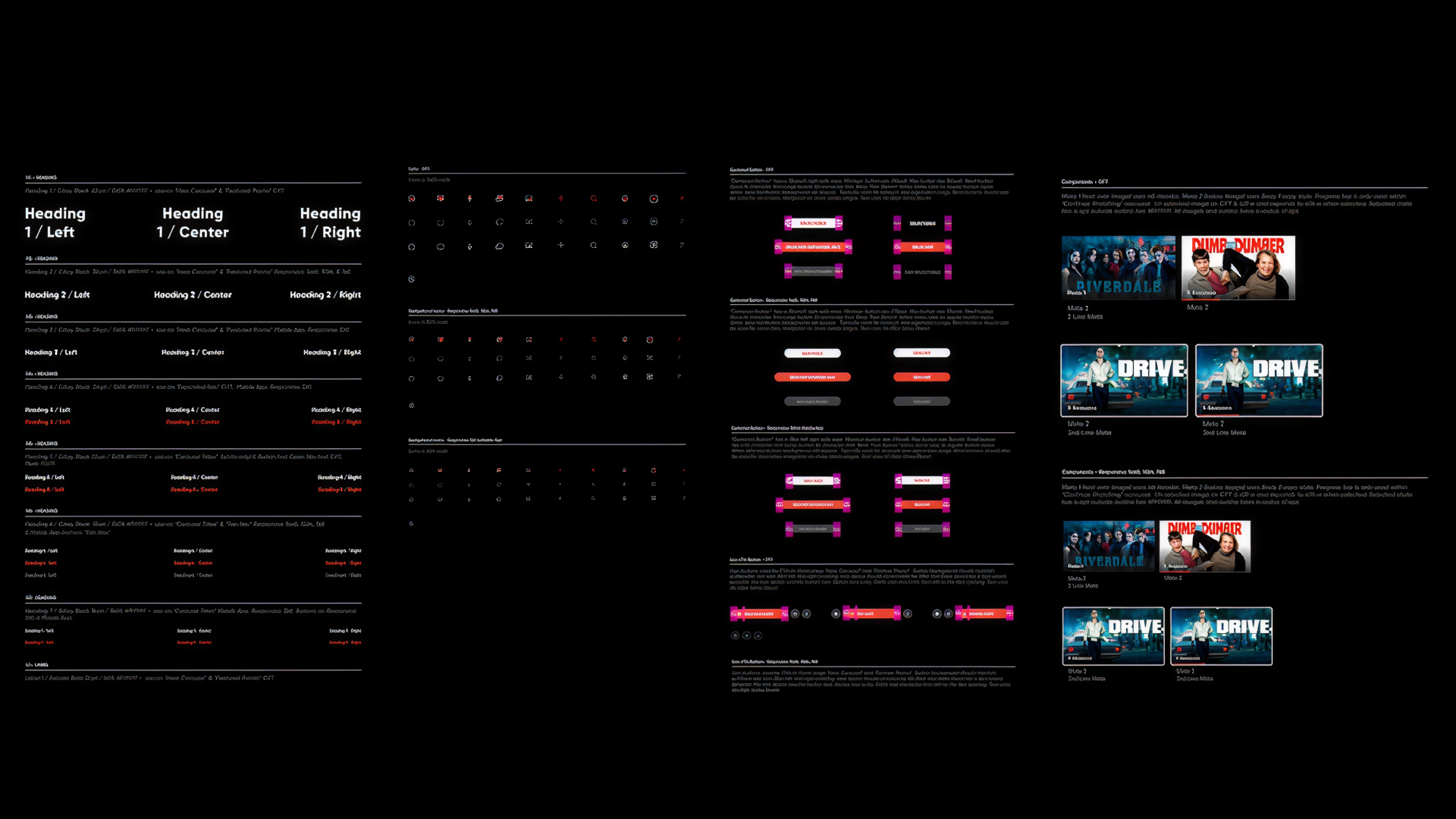
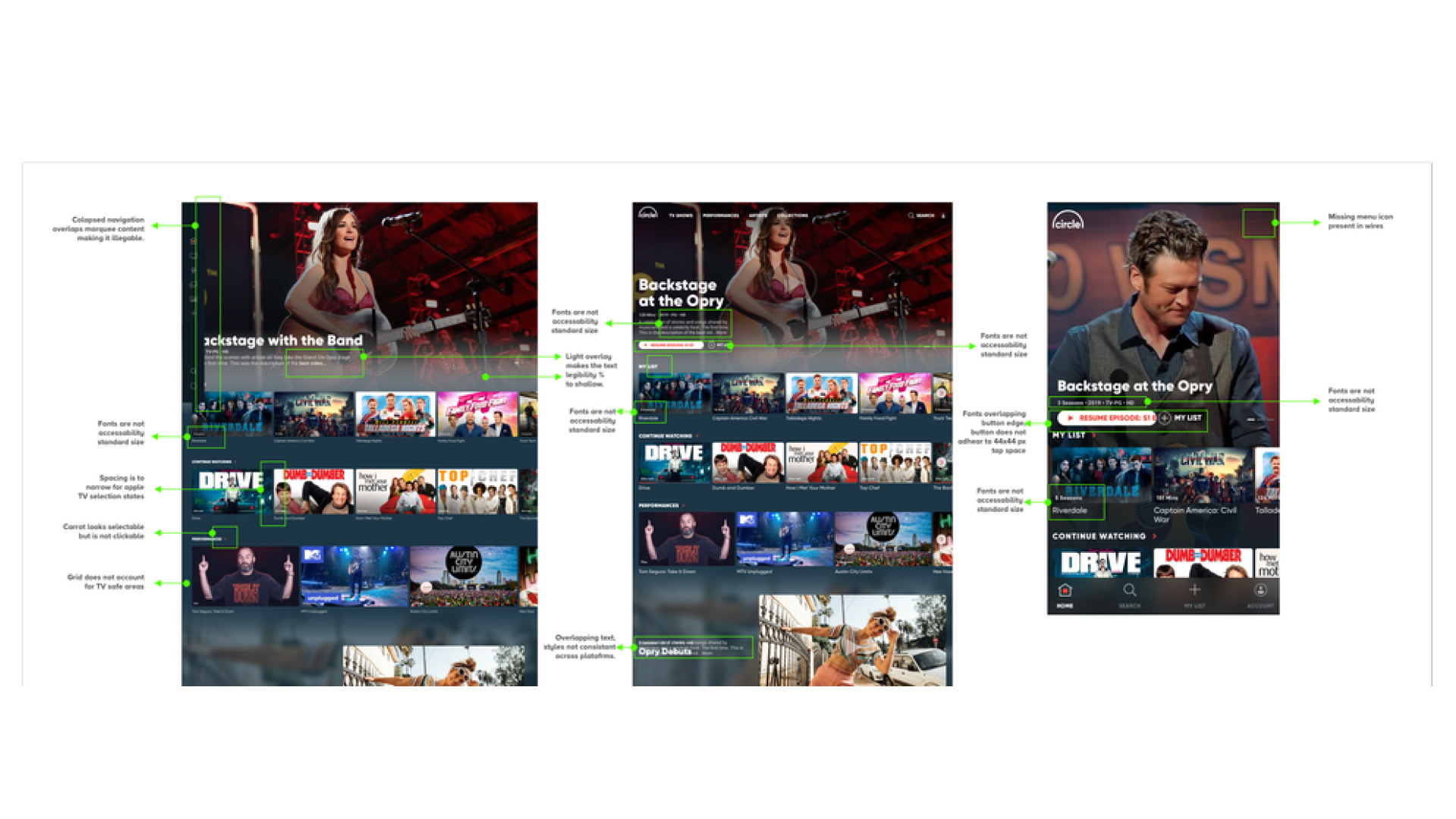
To address the fragmented user experience, I focused on consolidating existing assets and establishing a foundation for future consistency. Working closely with the UX Director, I gathered and organized all existing UX/UI files, auditing them against documentation and competitor analysis to identify missing elements and design inconsistencies.
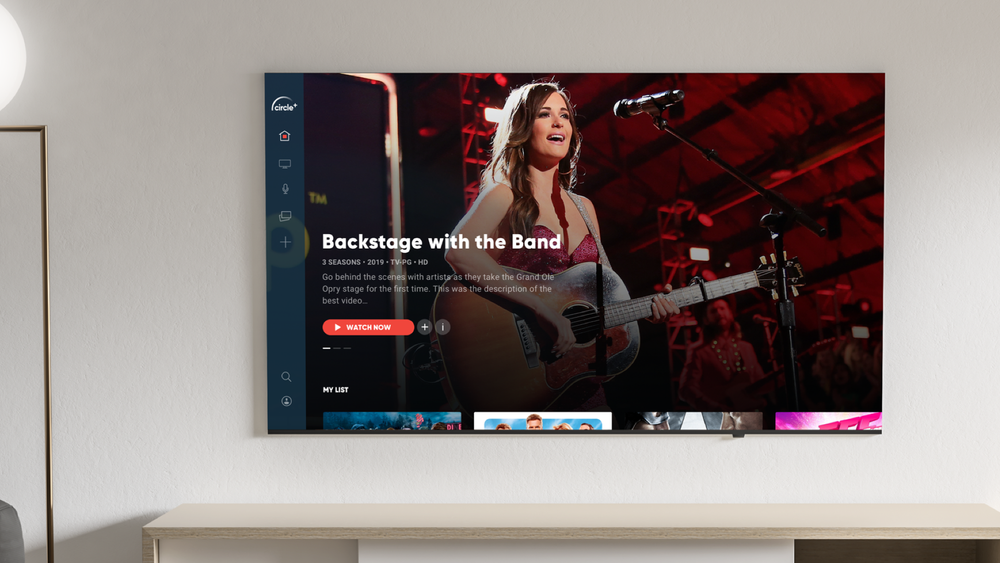
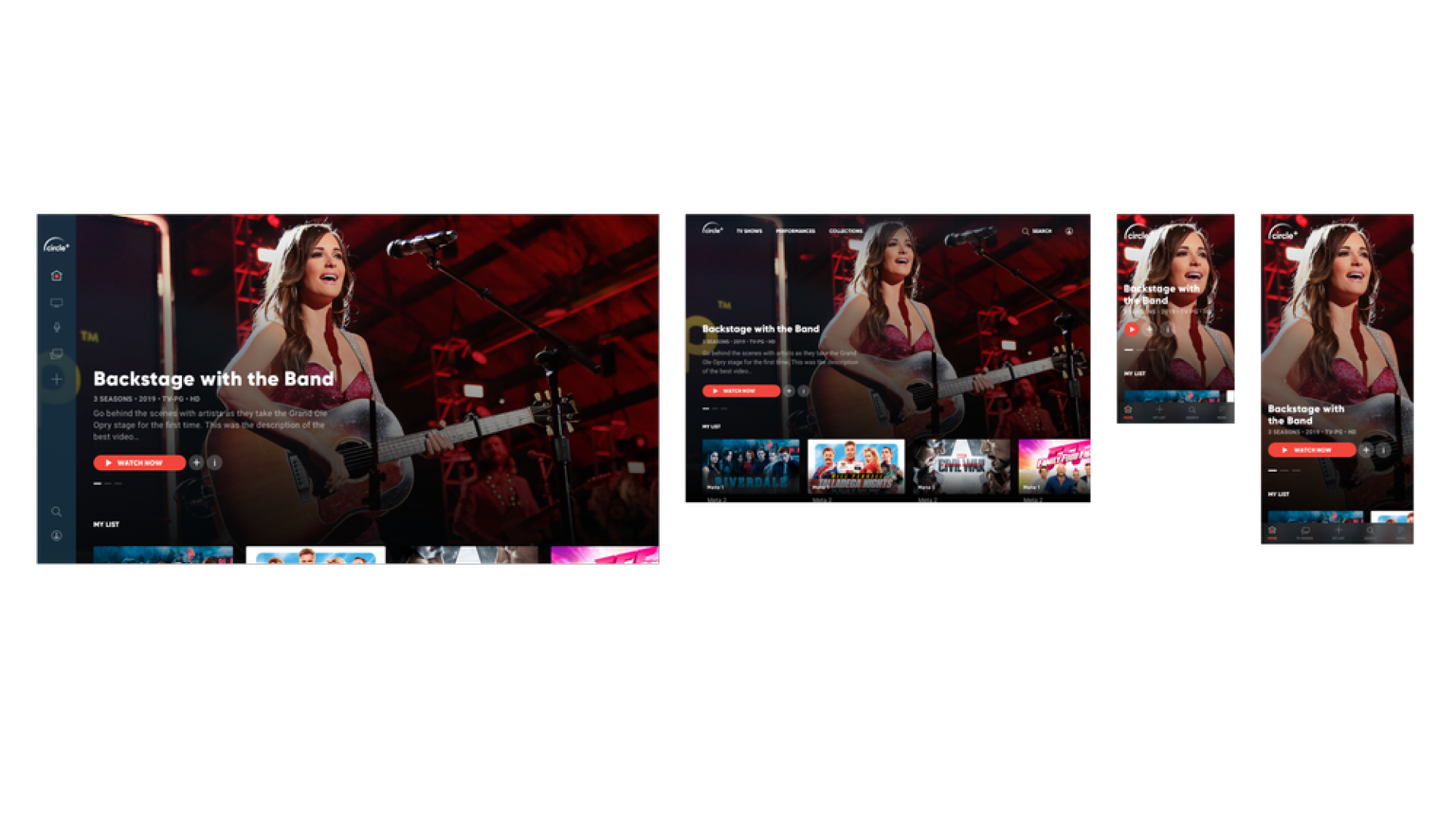
I then redesigned existing screens and created new screens to unify the user experience and fill critical functionality gaps. I meticulously annotated all files and the design system, including recommendations for post-MVP updates. To streamline future design and development efforts, I established a scalable design system based on design tokens, creating a shared language for the team and simplifying the addition of new features. This provided a clear foundation for ongoing design and development, reducing redundancy and improving overall efficiency.
Impact
My contributions significantly improved the platform's design foundation, streamlining workflows and establishing a clear path for future development. By consolidating existing assets and creating new screens, I unified the user experience and developed standardized mockup templates and a design system based on design tokens. This work dramatically improved design efficiency and ensured consistency across the platform, preparing the product for a cohesive launch. While the product’s launch was ultimately placed on hold due to the COVID-19 pandemic, the established design system and unified user experience provide a valuable asset for future development and a strong base for a successful product release when conditions allow.
Reflection
This experience highlighted the importance of proactive design investment—a key factor in enabling agility and mitigating risk in rapidly evolving environments. Organizations seeking to maximize development efficiency and maintain a competitive edge should prioritize upfront investment in design infrastructure and scalable design systems, ensuring adaptability and resilience in the face of unforeseen disruptions. This project underscored the long-term value of a strategic design approach, even when timelines shift.
EMPATHISE
To ensure Circle + resonated with users, I analyzed existing research and user flows, identifying gaps in their motivations and frustrations. This work helped build a strong foundation for a successful launch.
DEFINE
I identified inconsistencies and accessibility issues in existing designs that required attention prior to launch.
IDEATE
To address the accessibility issues and inconsistencies identified in the early version mockup audit, updating the designs to reflect these findings and improve the user experience.